You may be juggling grief, paperwork, and family opinions while trying to move a Haworth home forward. It is a lot. With a clear plan, the right documents, and local, privacy-forward support, you can protect value and keep timelines predictable. This guide walks you through the legal steps in New Jersey, Haworth market context, repair-versus-as-is decisions, and how to coordinate everything calmly. Let’s dive in.
Haworth market context and pricing
Haworth is a higher-end pocket of Bergen County with limited inventory. Monthly town stats can swing because few homes close each month, so published medians are a rough starting point rather than a pricing rule. Countywide, tight supply continues to shape outcomes, and well-prepared listings still draw strong interest, especially in the spring window. You will get the best read on value from a certified appraisal plus a local CMA, then position the home to compete on presentation and timing. For county dynamics, see the latest commentary from Greater Bergen Realtors on tight inventory.
First steps for executors
Confirm authority to sell
Your legal authority comes from the Surrogate’s Court through letters testamentary or letters of administration. New Jersey law provides the framework for a personal representative to act for the estate, and those documents are what brokers, title companies, and banks rely on to proceed. If the will grants a power of sale, that typically streamlines steps; if heirs object or language is unclear, court guidance may be needed. Review New Jersey’s statute on executor authority for context at law.justia.com.
Handle tax waivers and filings early
New Jersey places a lien for transfer or inheritance tax on a decedent’s assets, and a state waiver is commonly required before a deed can be recorded or assets released. Executors should plan for the Division of Taxation’s waiver process and have the decedent’s returns, executor appointment, and payoff statements ready. Start with the state’s guidance on waivers and forms L‑8, L‑9, and 0‑1 at the NJ Division of Taxation. New Jersey also charges a seller-side Realty Transfer Fee at closing; your title company will estimate this and prepare required affidavits, such as the Seller’s Affidavit of Consideration, shown in this standard form example.
Establish a defensible fair market value
Order a certified appraisal for the estate file and tax basis, and request a comparative market analysis from a Northern Bergen agent familiar with Haworth. For federal taxes, most inherited property receives a step-up in basis to the fair market value at the date of death, so preserving that appraisal is essential. Gains after inheritance are calculated from the stepped-up basis, and inherited property is treated as long-term for capital-gains purposes. See the IRS overview in Publication 559.
Decide on repairs versus “as-is”
Quick wins that move the needle
Many long-held homes benefit from targeted refreshes that produce strong first impressions without over-investing. Prioritize:
- Clean, declutter, and deep clean.
- Fresh neutral interior paint, updated lighting, and new hardware.
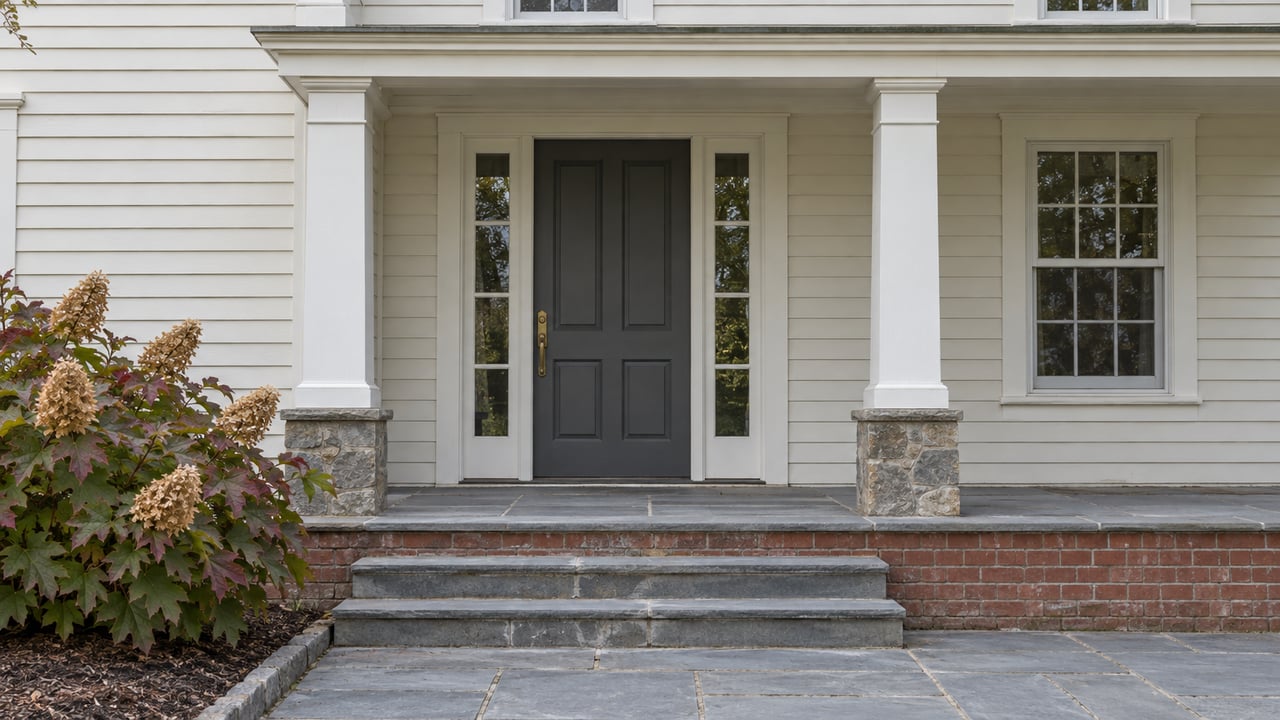
- Curb appeal: tidy landscaping, pressure washing, and a welcoming front entry.
- Staging or strategic editing of furnishings for scale and flow, especially if rooms feel full.
- Fix highly visible issues buyers will flag, such as active roof leaks or obvious electrical hazards.
Use the Remodeling Cost vs. Value benchmarks to gauge potential recoup and pair them with local contractor bids for your specific scope. As a reference point, see the regional snapshot in the Cost vs Value report.
When an “as-is” sale makes sense
If the estate lacks cash, if contractor timelines would push your sale past the ideal season, or if estimated work will not materially boost net value, an as-is strategy can be the best business decision. In that case, accurate disclosures and precise pricing are critical to reduce re-negotiation risk. New Jersey requires the state Property Condition Disclosure Statement, including the Flood Risk Addendum, to be delivered before a buyer is bound. Review the state’s disclosure statement instructions.
Consider a pre-listing inspection
A pre-listing inspection identifies major issues early and helps the executor choose between investing in repairs or pricing for condition. It also lets you gather repair estimates and set buyer expectations. In competitive segments, clarity on big-ticket items shortens negotiations and protects your timeline.
Clean-out and privacy-forward preparation
A calm, stepwise clean-out keeps the process organized and respectful.
- First, secure valuables, sensitive documents, and family keepsakes.
- Remove debris and address hazardous materials with licensed pros if you suspect an old oil tank, asbestos-like material, or biohazards.
- Sort remaining contents for donation, sale, storage, or staging. Estate sale companies can inventory and liquidate items and provide documentation for the file. Thorough clean-outs typically take 1 to 3 weeks, depending on size and contents.
If your family prefers discretion, you can control exposure while still attracting qualified buyers.
- Use professional photography and the MLS with agent-escorted, appointment-only showings.
- Require identification for previews and limit public details to features rather than personal context.
- For select buyers, your agent can use confidentiality agreements before showings.
Listing to closing in New Jersey
Required disclosures
- Property condition and flood risk: New Jersey requires the state Property Condition Disclosure Statement, including the Flood Risk Addendum, before the buyer is contractually bound. Review the state instructions.
- Lead-based paint: For homes built before 1978, federal law requires the EPA/HUD lead pamphlet, contract language, and disclosures. See the EPA’s lead-based paint disclosure rule.
Showings and offer management
Appointment-only access keeps privacy and security intact. Your agent can screen for serious buyers, time-block showings to limit disruption, and manage feedback without broadcasting sensitive details. With multiple heirs, set a simple decision process in writing and use a shared, secure folder so everyone sees the same documents and timelines.
Title, deed, and closing mechanics
The executor typically signs as personal representative, and the transfer is often made by a personal representative deed. Title and escrow will ask for letters testamentary and the Division of Taxation waiver to clear the state’s lien before recording. For form examples and context, see the personal representative deed overview. Your title company will also calculate the Realty Transfer Fee and prepare required affidavits, such as the Seller’s Affidavit of Consideration.
Remote heirs and signings
If you live out of state, New Jersey permits certain notarial acts for remotely located individuals when specific identity-proofing and record-keeping requirements are met. Confirm acceptable platforms and retention with your closing team well before the signing date. See New Jersey’s statute on remote notarization at law.justia.com.
A realistic timeline
Every estate is unique, but this framework helps you plan and set expectations.
- Probate appointment and letters testamentary: Often a few weeks in routine cases. Complex or contested matters can take longer. See the authority framework in New Jersey’s statute for personal representatives.
- Pre-listing prep: Clean-out, appraisal, minor repairs, and completing disclosure forms typically take 2 to 8 weeks, depending on scope and contractor availability.
- Active marketing to closing: In Bergen County’s tight-inventory environment, well-prepared homes can attract offers quickly, especially in spring. Contract-to-close timing depends on buyer financing and inspections, commonly several weeks. For current county conditions, see Greater Bergen Realtors’ market update.
Your Haworth-focused support plan
Selling a long-held Haworth home is as much about coordination as it is about marketing. A concierge, single point of contact model can remove friction: one lead advisor who schedules vendors, oversees clean-out and estate liquidation, manages privacy in showings, and keeps attorneys, title, and family members aligned. That is especially valuable when you are out of area or balancing other responsibilities.
If you would like a calm, private conversation about your next steps or a no-obligation valuation approach for an inherited Haworth property, reach out to Rebecca Day. You will get a clear plan, a vetted local team, and steady guidance from listing through closing.
Quick checklist
- Gather: will, death certificates, letters testamentary/administration, deed, property tax bills, mortgage payoff, utility accounts, insurance, maintenance records, keys, and recent photos.
- Engage: estate attorney, CPA, local Bergen County agent, title company, clean-out or estate sale firm, and licensed contractors as needed.
- Plan: certified appraisal for estate valuation and tax basis; market CMA; disclosure forms; clean-out scope; repair-versus-as-is strategy; privacy settings for showings.
- Coordinate: tax waivers with the NJ Division of Taxation, pre-listing inspection if desired, and scheduling for photography, staging, and launch.
FAQs
What should executors know about the Haworth market before pricing?
- Haworth is low inventory and higher end, but monthly medians can swing because the town is small. Use a certified appraisal plus a local CMA, and plan your timing and presentation carefully in light of Bergen County’s tight inventory.
As an out-of-state executor, can I handle most of the sale remotely in New Jersey?
- Yes. New Jersey allows certain remote notarizations when identity and record-keeping rules are met, and much of the process can be coordinated electronically with your attorney, title company, and agent. See the state statute on remote notarial acts.
Do heirs owe capital gains tax when selling an inherited home?
- Often the tax basis is stepped up to the fair market value at the date of death, which can reduce or eliminate gain depending on the sale price and timing. Preserve the appraisal used by the estate. Review the IRS overview in Publication 559 and consult your tax advisor.
What disclosures are required when selling an estate home in New Jersey?
- Most residential sellers must complete the state Property Condition Disclosure Statement with the Flood Risk Addendum before a buyer is bound, and pre‑1978 homes require the federal lead-based paint packet. See the state disclosure instructions and the EPA lead rule.
How do New Jersey inheritance tax waivers affect my closing timeline?
- The Division of Taxation must issue a waiver before the deed is recorded in many cases, and timing varies by file complexity and documentation. Start the waiver process early using the state’s guidance to avoid last‑minute delays.
Should we stage a long-held Haworth home or list it as-is?
- If modest updates and staging will materially improve first impressions and recoup much of their cost, lean toward preparing the home. If scope is large relative to likely gain or timing is tight, price transparently and sell as‑is. Use the Cost vs Value report and local bids to guide the call.
Can we accept an offer before the New Jersey tax waiver is issued?
- You can negotiate and go under contract, but title typically requires the waiver before recording and funding. Coordinate with your attorney and title company so waiver timing aligns with your target closing date.