If you are coordinating an estate home sale in Haworth, you are likely balancing legal steps, family decisions, property logistics, and market timing all at once. That can feel especially heavy if you are an executor, an adult child, or an heir managing the process from out of town. With the right plan, you can reduce stress, protect the home’s value, and keep the sale moving with fewer surprises. Let’s dive in.
Start With Authority First
Before the home is listed, the first question is simple: who has the authority to act for the estate? In Bergen County, the Surrogate handles probate matters, admits wills to probate, and issues certificates of authority to executors of estates. That makes this step foundational, because the sale process needs the right person in place before signatures, disclosures, and closing documents can move forward.
In practical terms, this is a coordination issue as much as a legal one. The executor, attorney, and title company need to stay aligned on who can sign, what paperwork is required, and when the property is ready to move toward closing. When that alignment happens early, the rest of the sale is usually far more manageable.
Build A Clear Estate Sale Timeline
Estate sales in Haworth tend to run more smoothly when you treat them like a project with defined phases. Instead of jumping straight to listing, it helps to follow a sequence that keeps decisions organized and avoids rework later. This is especially important when multiple family members are involved.
A practical timeline often looks like this:
- Confirm executor authority and probate-related paperwork
- Walk through the property and assess contents and condition
- Create a room-by-room inventory
- Decide what will stay, be sold, be donated, or be discarded
- Complete clean-out and recycling
- Address key repairs and safety items
- Prepare the home for staging and photography
- Launch the listing and manage showings
- Review offers, inspections, and closing steps
This kind of structure helps you make progress one decision at a time. It also gives attorneys, heirs, and service providers a shared roadmap.
Organize The Home Room By Room
One of the most effective ways to begin is with a room-by-room inventory. That creates a simple decision tree for personal property and reduces confusion later. You can sort items into clear categories such as keep, distribute to family, sell, donate, and discard.
This step matters for both emotional and practical reasons. Many estate homes contain decades of belongings, and trying to make every decision at once can stall the entire process. A slower, organized approach often leads to better communication and fewer last-minute issues.
Prioritize Items With Special Handling
Some estate homes include fine art, antiques, collections, or furnishings that should not be treated like ordinary clean-out items. Those pieces may need separate review before anything leaves the property. Careful oversight at this stage helps avoid rushed decisions that can be difficult to reverse.
Just as important, special items can affect the prep timeline. If valuables or family pieces need to be removed, documented, or coordinated separately, it is best to do that before the home is staged or photographed.
Know Haworth Clean-Out Rules
Local logistics matter more than many families expect. Haworth’s Department of Public Works says garbage is collected curbside every Tuesday and Friday. Yard debris is picked up on Mondays during the season.
The borough also notes that branches under 3 feet long and 2 inches in diameter may go into open curbside containers. Larger branches may be placed at the curb for DPW chipping. Lawn trimmings, leaves, and twigs should not be placed in the gutter or right-of-way.
These details can shape your clean-out schedule. If you are trying to empty the home quickly, knowing the collection days and limits can help you avoid delays, neighbor concerns, or repeat trips.
What Can Go Curbside
For many estate sales, some bulky household items may be handled through standard local pickup. Haworth notes that furniture may be set curbside for pickup on Tuesdays or Fridays if it is not being donated. Clothes, toys, and housewares should be donated when possible.
That makes donation planning an important part of the process, not just an afterthought. A good sorting plan can reduce waste and keep the property cleaner as you prepare it for sale.
What Must Be Recycled Separately
Some items cannot go out with regular garbage. Haworth directs residents to Bergen County Utilities Authority programs for electronics, old tires, and hazardous materials or liquids. The borough specifically notes that televisions are no longer picked up with regular garbage and must be recycled.
Proof of residency is required for county recycling programs. If the property still contains electronics or hazardous materials late in the process, those items should be removed before closing so they do not complicate possession or the final walk-through.
Help Remote Heirs Stay On Track
If you live outside the area, repeated trips to Haworth can quickly become exhausting. Municipal office hours are weekday only, and probate, recording, recycling, contractor access, and listing prep all involve separate moving parts. That is one reason many families benefit from having one local point of contact managing day-to-day details.
A single coordinator can help keep the process moving by:
- Meeting vendors at the property
- Managing clean-out and donation timing
- Coordinating contractor access
- Tracking prep milestones
- Providing regular status updates
- Keeping the attorney and title company informed
For out-of-area executors, this kind of structure can reduce travel, simplify communication, and lower the chance of missed steps.
Price For Haworth, Not Just Bergen County
Estate homes are not always priced or marketed like standard turn-key listings. Recent market data shows a median sale price in Haworth of $1.434 million over the three months ending May 2026, with a median of 133 days on market. By comparison, New Jersey Realtors reported a Bergen County single-family median sales price of $840,000 and 34 days on market in April 2026.
That gap suggests an important point: a Haworth estate property may need especially careful pricing and presentation. This does not mean every home will take longer to sell, but it does suggest that clutter, deferred maintenance, photography quality, and pricing accuracy can materially affect buyer interest.
At the same time, Bergen County single-family homes sold at 104.1% of list price with 2.2 months of inventory in April 2026. That indicates well-prepared listings can still perform strongly, even when conditions vary by property and location.
Prepare Before You Launch
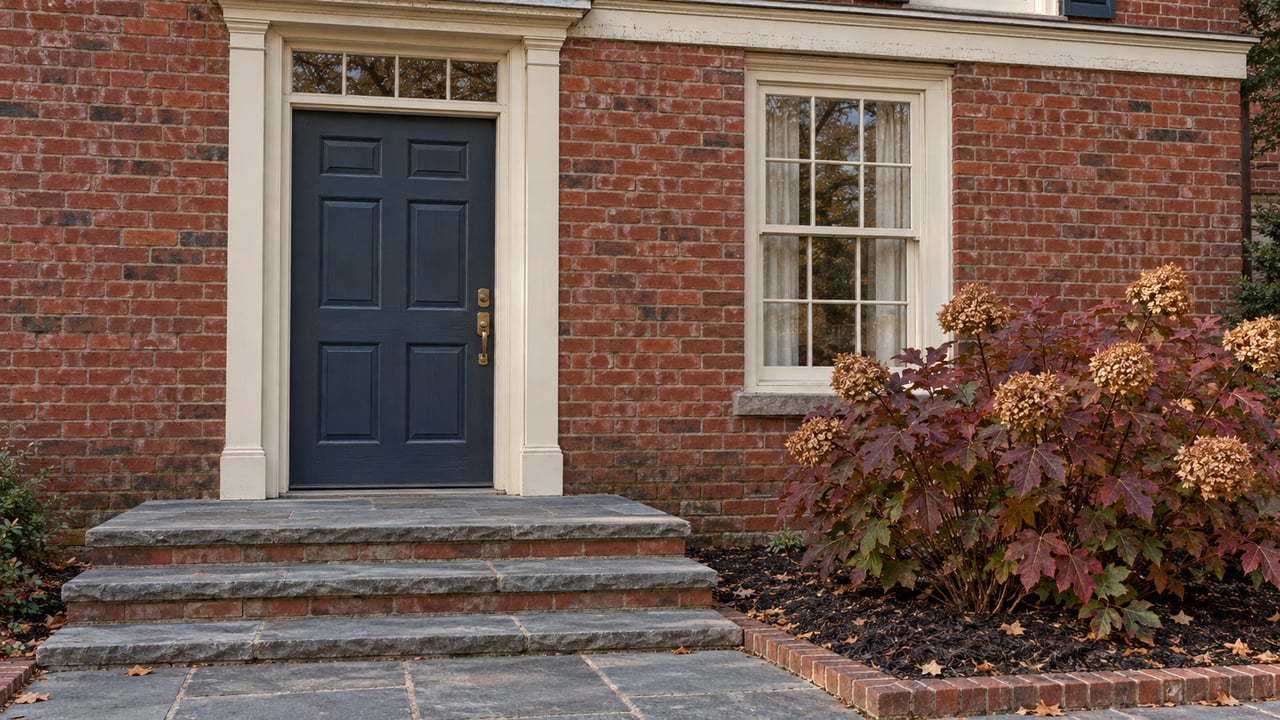
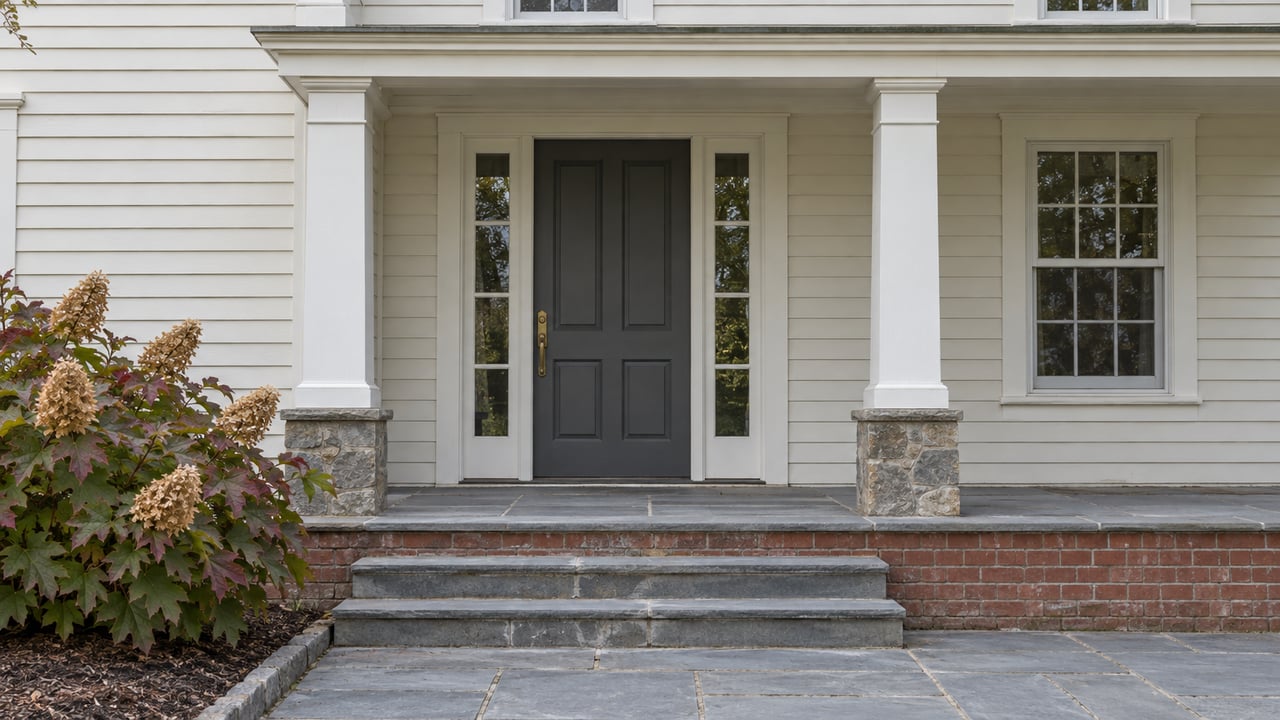
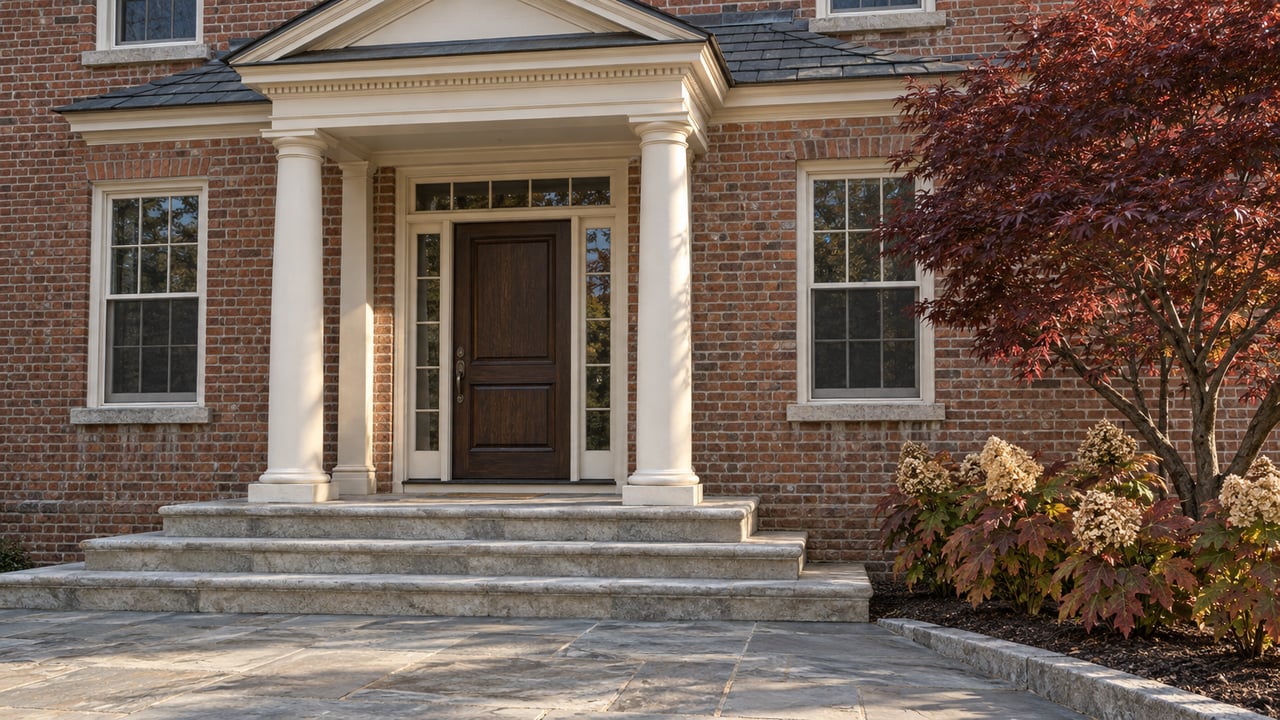
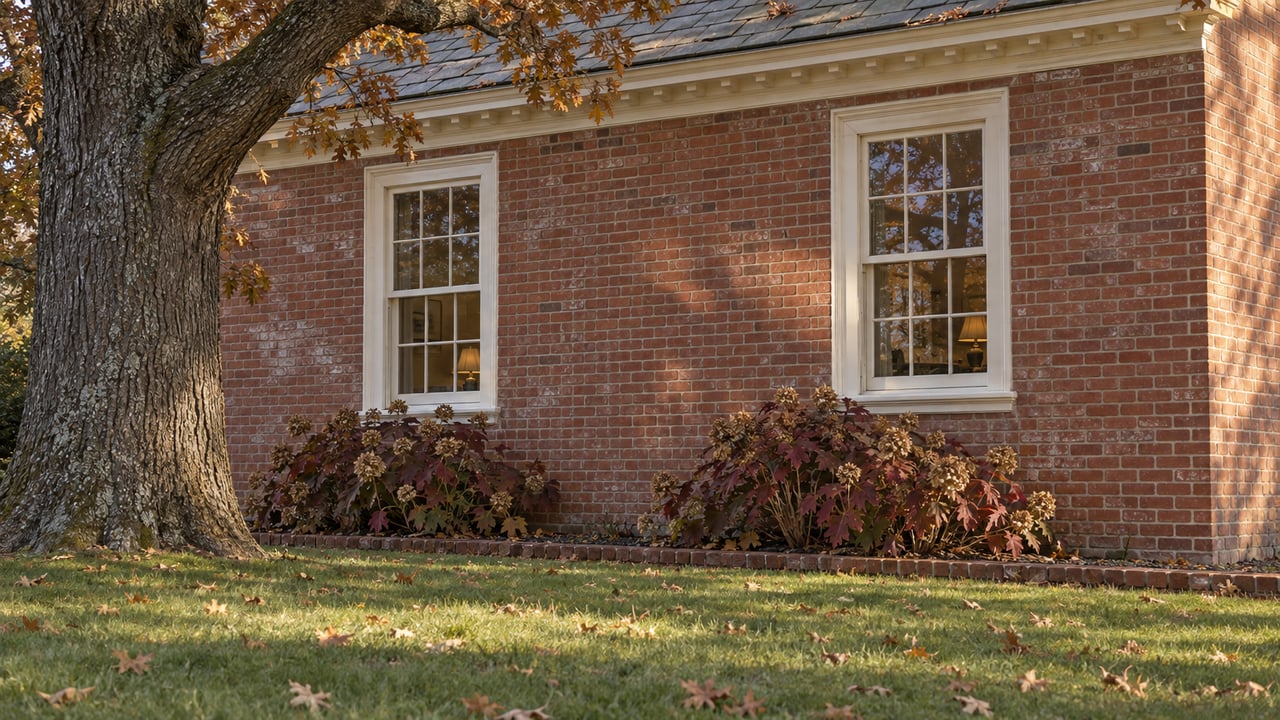
When an estate property comes to market before it is truly ready, the listing can lose momentum quickly. Buyers respond to what they can clearly see and understand, which is why prep work matters so much. In a market where Haworth homes may sit longer than the broader county average, first impressions carry real weight.
A thoughtful pre-listing plan often includes:
- Decluttering and full clean-out
- Basic repairs and safety updates
- Landscaping or exterior cleanup
- Staging or selective furnishing
- Professional photography
- A pricing strategy tied to current local conditions
This preparation is not about over-improving the house. It is about presenting the property clearly, minimizing distractions, and helping buyers understand the opportunity.
Keep Closing Steps On The Checklist
As the sale moves toward closing, document handling becomes especially important again. The Bergen County Clerk records deeds and other real estate documents, and the office offers eRecording for land records. In many cases, the title company and attorney will handle deed recording through the county clerk as part of closing.
New Jersey also imposes a Realty Transfer Fee on the seller for recording a deed unless an exemption applies. That is a normal closing-cost expectation in many New Jersey sales, so it belongs on the estate sale checklist early. Keeping these steps visible helps reduce last-minute surprises.
Estate Sales Need Calm Coordination
In Haworth, an estate home sale is rarely just a listing. It is a layered process involving probate authority, local clean-out rules, property preparation, pricing strategy, and closing logistics. When the executor, heirs, attorney, title company, and real estate advisor work from one timeline, the process is usually more efficient and far less stressful.
A calm, organized approach can protect both the family’s time and the property’s market position. If you are handling a legacy home in Haworth, having one experienced point of contact can make each next step clearer. For private, strategic guidance, you can request a consultation with Rebecca Day.
FAQs
What needs to happen before an estate home in Haworth can be listed?
- Before listing, you should confirm who has authority to act for the estate, coordinate with the attorney and title company, assess the property, and create a plan for contents, clean-out, repairs, and market preparation.
Who should make clean-out decisions for a Haworth estate sale?
- The executor typically needs to keep decisions organized, often with input from heirs or family members, using a room-by-room process for what will stay, be sold, be donated, or be discarded.
What can be placed at the curb during an estate clean-out in Haworth?
- Haworth says garbage is collected curbside on Tuesdays and Fridays, some furniture may be set curbside on those days, and certain small branches may go in open containers, while larger branches may be placed out for DPW chipping.
What items must be recycled instead of thrown out in Haworth?
- Televisions, electronics, old tires, and hazardous materials or liquids should go through Bergen County Utilities Authority programs rather than regular garbage, and proof of residency is required.
How can an out-of-area heir manage an estate home sale in Haworth?
- A single local point of contact can help coordinate vendors, property access, clean-out timing, updates, and communication with the attorney and title company, which can reduce repeated travel.
What closing steps are common in a Haworth estate home sale?
- Common closing steps include deed recording through the Bergen County Clerk and planning for New Jersey’s Realty Transfer Fee on the seller side unless an exemption applies.